

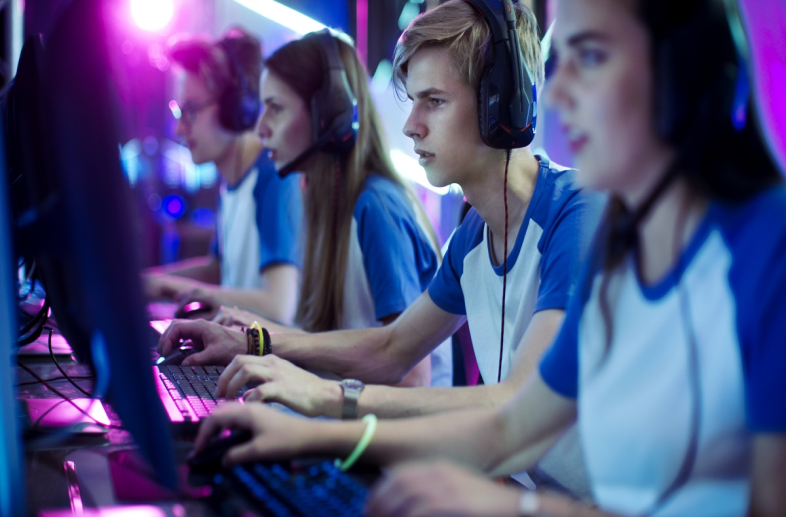
Online gaming can be a thrilling escape into virtual worlds filled with adventure, competition, and social interaction. However, finding a balance between gaming and real-life responsibilities is crucial for maintaining overall well-being and productivity. Here are practical strategies to help you manage your gaming hobby while fulfilling your responsibilities in the real world.
Set Priorities and Goals
Determine your essential real-life responsibilities, such as work, school, family commitments, and personal health. Recognize that these priorities should take precedence over gaming.
Define specific gaming goals, such as completing a particular game or achieving a certain rank in competitive play. Having clear objectives helps you stay focused and avoid excessive gaming without purpose.
Create a Schedule
Plan specific times during the week for slot gaming sessions. This allows you to enjoy gaming without it encroaching on other responsibilities.
Use a calendar or planner to schedule gaming sessions around your commitments. Stick to the allotted gaming time and avoid exceeding it.
Ensure your schedule includes a variety of leisure activities beyond gaming, such as exercise, hobbies, and socializing. Balancing different activities promotes overall well-being.
Practice Time Management
Use techniques like prioritization and the Eisenhower Matrix to manage tasks effectively. Complete important tasks first before allocating time for gaming.
Use timers or alarms to remind yourself to take breaks during gaming sessions. This helps maintain a healthy balance and prevents excessive screen time.
Decide on reasonable limits for daily or weekly gaming hours. Stick to these limits to prevent gaming from consuming excessive time that should be allocated to other responsibilities.
Communicate and Negotiate
Communicate openly with family members, roommates, or significant others about your gaming hobby and the time you plan to dedicate to it. Set mutual expectations and boundaries.
Share your gaming schedule with others to avoid misunderstandings and conflicts over time management.
If gaming conflicts with important responsibilities, negotiate compromises. For example, agree to limit gaming during busy periods or allocate extra time for responsibilities after gaming sessions.
Maintain Physical and Mental Health
Ensure adequate sleep to maintain energy levels and cognitive function. Avoid gaming late into the night at the expense of sleep.
Maintain a healthy diet to support overall well-being and concentration. Avoid excessive snacking or junk food consumption during gaming sessions.Incorporate regular physical activity into your routine to counteract sedentary gaming habits. Exercise improves mood, reduces stress, and promotes physical health.
Monitor and Reflect
Regularly assess your gaming habits and their impact on your daily life. Identify any signs of excessive gaming or neglecting responsibilities.
Ask for feedback from trusted individuals about your gaming habits and their perceived impact on your behavior and responsibilities.
Adjust your gaming schedule as needed based on changes in responsibilities or feedback received. Be flexible and willing to make adjustments to maintain balance.
Seek Support
Engage with gaming communities that promote responsible gaming habits and provide support and encouragement.
If gaming becomes problematic and affects your well-being or responsibilities, seek professional help or counseling to address underlying issues.
Conclusion
Balancing online gaming with real-life responsibilities is achievable with thoughtful planning, self-discipline, and effective time management. By setting priorities, creating a schedule, practicing moderation, and maintaining physical and mental health, you can enjoy gaming as a fulfilling hobby while fulfilling your obligations in work, school, and personal life. Remember that responsible gaming enhances overall well-being and enriches your life experiences.
