

Introduction
Vacuum forming, a subset of thermoforming, is a simplified molding process used extensively in the production of plastic parts. It involves heating a sheet of plastic until it becomes pliable, then stretching it over a mold and applying a vacuum to suck the sheet into the mold. This method is favored for its cost-effectiveness, efficiency, and the ability to produce a wide range of products. This article explores the vacuum forming process, its applications, advantages, and the considerations necessary for achieving high-quality results.
The Vacuum Forming Process
Vacuum forming consists of several key steps, each critical to ensuring the production of high-quality plastic components:
- Material Selection: The first step involves selecting the appropriate plastic material, typically in the form of a flat sheet. Common materials include Acrylonitrile Butadiene Styrene (ABS), Polystyrene (PS), Polyethylene Terephthalate (PET), and Polyvinyl Chloride (PVC). Each material offers different characteristics like transparency, impact resistance, and chemical resistance.
- Heating the Plastic Sheet: The plastic sheet is clamped in a frame and heated in an oven until it reaches the required temperature for forming. The heating must be even to prevent material degradation and ensure uniform thickness nyctional.
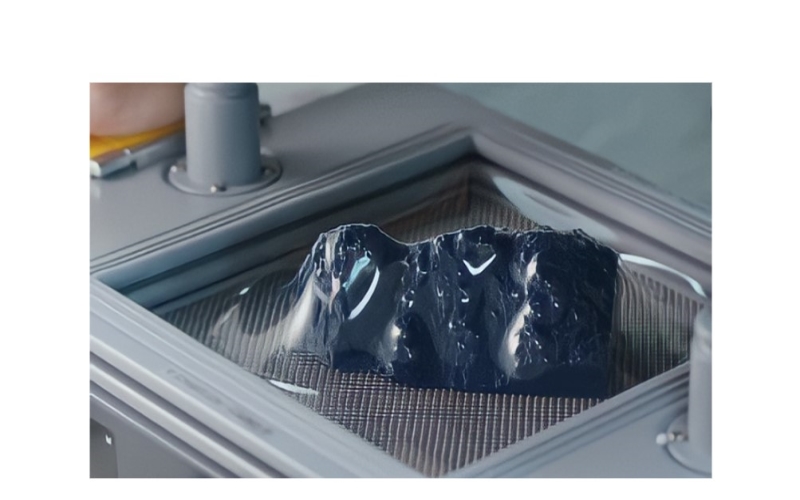
- Forming the Plastic Sheet: Once the material is adequately heated, the frame is quickly transferred to the form station where the mold is located. A vacuum is applied, causing the soft sheet to conform to the shape of the mold. The vacuum ensures that the material is tightly drawn into all areas of the mold, capturing intricate details and complex geometries.
- Cooling and Release: After the plastic has formed to the mold, it needs to cool and solidify into its final shape. Cooling systems can enhance the process, but often the material cools naturally in the ambient air. Once cooled, the formed plastic is released from the mold.
- Trimming and Finishing: The final steps involve trimming the excess material from the formed part and performing any additional finishing processes, such as drilling, cutting, or painting, to prepare the part for its final use.
Advantages of Vacuum Forming
Vacuum forming offers several distinct advantages that make it a popular choice among manufacturers:
- Cost Efficiency: The tooling in vacuum forming is significantly cheaper than that used in other forming processes, such as injection molding. This makes it ideal for small to medium production runs.
- Design Flexibility: Vacuum forming allows for quick and easy adjustments to the mold, making it suitable for prototypes and custom designs.
- Speed: The process is relatively fast, with cycles ranging from a few seconds to several minutes, depending on the size and complexity of the part.
- Material Efficiency: Vacuum forming generally results in less material waste compared to other manufacturing processes, as excess material can often be reprocessed and reused.
Applications of Vacuum Forming
Vacuum forming is employed across a diverse range of industries due to its versatility:
- Automotive Industry: Produces dashboards, door panels, and trays.
- Packaging Industry: Creates blister packs, clamshells, and trays for a variety of products.
- Medical Industry: Manufactures sterile packaging and components for medical devices.
- Signage and Display: Produces 3D signs and point-of-purchase displays which are aesthetically appealing and durable ustunelyfe.
Considerations and Challenges
Despite its advantages, vacuum forming also presents certain challenges that must be managed:
- Detail Limitations: While capable of producing detailed parts, vacuum forming is generally less precise than injection molding, particularly around the depth and sharpness of smaller features.
- Material Limitations: Not all plastics are suitable for vacuum forming, and material selection must consider factors like forming temperature and final use properties.
- Wall Thickness: Managing the wall thickness of formed parts is essential, as the stretching of the material can lead to uneven thickness. This is particularly challenging in deep molds or molds with varying geometries.
Conclusion
Vacuum forming remains a vital process in the manufacturing of plastic products, combining cost-efficiency, speed, and flexibility with the ability to produce a wide array of products. While there are challenges associated with the technique, proper understanding and handling of the process can lead to successful outcomes. With advancements in materials and technology, vacuum forming continues to evolve, expanding its capabilities and applications across industries.
