

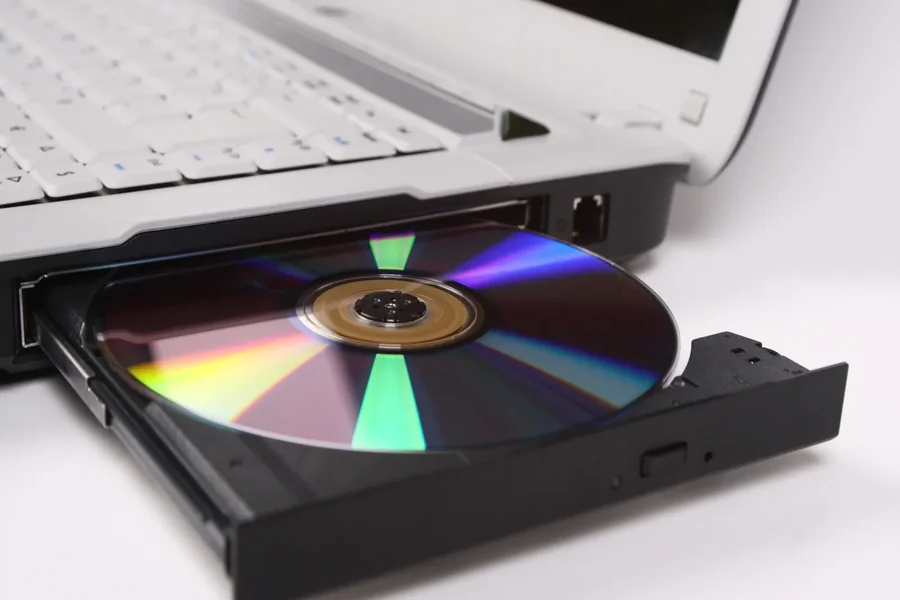
CD and DVD manufacturing remains a niche but vital industry, even as digital streaming dominates media consumption. While platforms like Spotify and Netflix have reduced demand for physical media, CDs and DVDs continue to hold value for collectors, independent artists, and industries requiring secure data storage. This blog explores the current state of CD and DVD manufacturing, its challenges, innovations, and future prospects.
The Evolution of CD and DVD Manufacturing
The history of CD and DVD manufacturing began in the 1980s with the compact disc, revolutionizing music and data storage. DVDs followed in the 1990s, offering higher storage capacity for films and software. The manufacturing process involves creating a master disc, stamping copies, and applying protective coatings. Despite technological advancements, the core process remains similar, with modern facilities focusing on precision and efficiency to meet niche demands.
Current Applications and Markets
CDs and DVDs are still relevant in specific sectors. Independent musicians and filmmakers use them for limited-edition releases, appealing to fans who value tangible products. Additionally, industries like education, software distribution, and archival storage rely on optical media for its durability and offline accessibility. For example, government agencies and corporations use DVDs for secure data backups, as they are less susceptible to cyber threats compared to cloud storage.
Challenges Facing the Industry
The rise of digital platforms poses significant challenges. Streaming services offer convenience, reducing the need for physical media. Manufacturing costs, including raw materials like polycarbonate and energy-intensive production, can make CDs and DVDs less competitive. Environmental concerns also arise, as discarded discs contribute to plastic waste. Manufacturers must balance cost, quality, and sustainability to remain viable kaiyo furniture.
Innovations Driving the Future
To stay relevant, CD and DVD manufacturing is embracing innovation. Eco-friendly materials, such as biodegradable polycarbonate, are being explored to reduce environmental impact. High-definition formats like Blu-ray continue to evolve, catering to niche markets like 4K film collectors. Automation and AI-driven quality control are also improving production efficiency, allowing manufacturers to produce smaller, customized runs cost-effectively.
The Role of Customization and Collectibles
Customization is a growing trend in CD and DVD manufacturing. Limited-edition releases with unique artwork, colored discs, or bonus content attract collectors. For example, bands often release deluxe CD packages with signed booklets, while studios produce collector’s edition DVDs with exclusive features. This focus on personalization helps manufacturers differentiate their products in a digital-heavy market.
The Global Market and Future Outlook
The global CD and DVD manufacturing market is projected to decline gradually but maintain a steady niche. Regions like Asia-Pacific, with large populations and growing independent media scenes, drive demand. Meanwhile, advancements in disc longevity and storage capacity could extend the lifespan of optical media. By focusing on quality, sustainability, and niche markets, the industry can adapt to the digital age.
In conclusion, CD and DVD manufacturing is not obsolete but evolving. By embracing innovation, sustainability, and customization, manufacturers can cater to dedicated audiences and maintain relevance in a digital world.
